
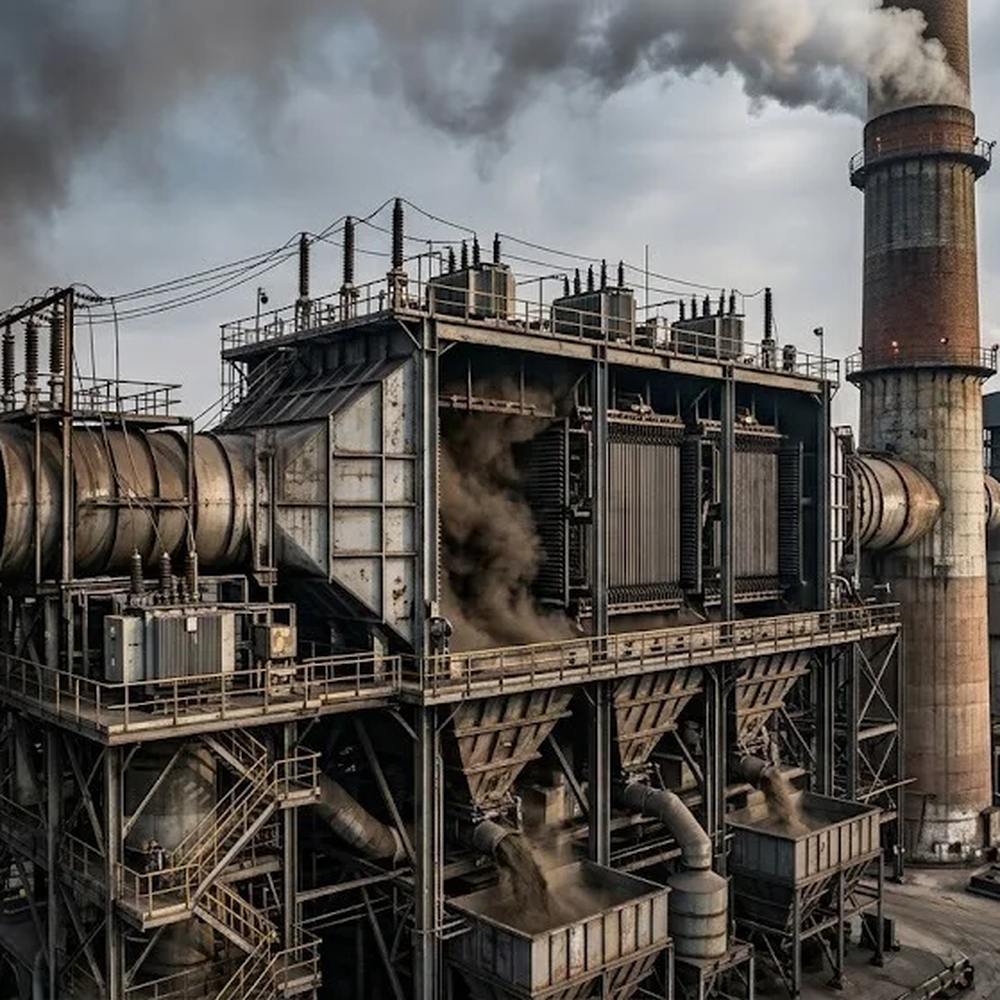
Electrostatic Precipitator Air Pollution Control: Remove Fine Dust from Industrial Exhaust Using Electricity
Industrial plants that burn fuel or process raw materials often release large volumes of gas carrying fine dust. Left untreated, this dust spreads into the surrounding air, settles on buildings and land, and can be breathed deep into the lungs. The Electrostatic Precipitator from EOEnergy Pvt. Ltd. is an air pollution control device that removes dust from exhaust gas using an electric charge. It is designed to collect fine particles from large gas flows, so the gas leaving your stack is cleaner.
What Is an Electrostatic Precipitator?
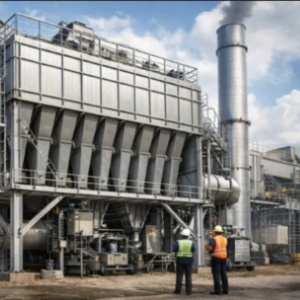
An electrostatic precipitator, often called an ESP, is a dust collection device that works with static electricity. Instead of trapping dust on a filter or washing it out with liquid, it gives the dust particles an electric charge and then pulls them onto metal plates. Once the dust has collected on the plates, it is shaken or washed off and falls into hoppers, from where it is removed.
Because the force acts directly on each particle, an ESP can collect very fine dust while letting the gas flow through with very little resistance.
How Does It Work?
The process has a few simple steps. First, dirty gas enters the precipitator and flows between rows of metal plates. Second, thin wires or rods placed between the plates are supplied with high-voltage direct current. This creates a strong electric field and produces ions, which attach to the dust particles and give them an electric charge. Third, the charged particles are pulled towards the collecting plates, which carry the opposite charge, and stick to them. Fourth, at regular intervals the plates are cleaned, either by rapping, which shakes the dust loose, or in wet types by washing with water. Finally, the dust falls into hoppers at the bottom, and the cleaned gas leaves through the stack.
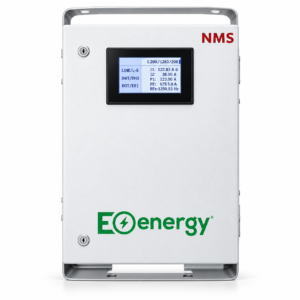
A control system supplies and adjusts the high voltage so the unit keeps working at the right conditions.
Dry and Wet Types
Electrostatic precipitators come in two main types, and the right one depends on the dust and gas.
A dry ESP collects dust as a dry layer on the plates and removes it by rapping. It is common in power plants, cement plants and many other industries.
A wet ESP uses water to keep the plates clean. It can suit sticky or wet dust, mists and fumes, where a layer of dry dust would be hard to remove.
Our team can help you understand which type suits your process.
Why Use an Electrostatic Precipitator?
ESPs are chosen in situations where other dust collection devices may be less suitable.
They can handle very large volumes of gas, which is why they are common in big boilers and heavy industry. They capture fine particles that simple settling devices miss. Because the gas flows through freely, there is little resistance, which can help keep fan power and running costs lower. They can work with hot gas. And the dust is collected dry in many designs, which makes it easier to handle, reuse or dispose of.
Whether an ESP is the right choice for your plant depends on your dust and gas, so our team can help you compare it with other options, such as bag filters and scrubbers.
Key Benefits
Captures fine dust: The electric force acts on each particle, so small particles can be collected, depending on the design.
Suited to large gas flows: Works well for big boilers, furnaces and process plants.
Low gas flow resistance: Gas passes through with little pressure loss.
Works with hot gas: Can be designed for high-temperature applications.
Dry collection: In dry types, dust is collected dry and removed through hoppers.
Steady operation: Few moving parts in the collection area, which supports reliable running, depending on the design.
Custom built: Sized and designed to match your gas flow and dust.
Where Can It Be Used?
Electrostatic precipitators are used in many industries, including power plants and boilers, cement and lime plants, steel and metal industries, foundries and smelters, paper and pulp mills, fertiliser and chemical plants, waste and biomass burning units, incinerators, glass and ceramic units, and other processes that release large volumes of dusty gas. Wet types are also used for mists and fumes. Any plant that needs to clean dusty exhaust gas can consider one.
Things to Keep in Mind
An ESP is a larger and more technical piece of equipment than many other dust collectors. It needs enough space, and the initial cost is often higher than for simpler devices, although running costs can be lower. How well it works depends strongly on the dust itself, especially how easily the dust takes and holds an electric charge. Dust that is too resistant or too conductive can be harder to collect, and changes in the gas, such as temperature, moisture and the fuel or raw material used, can affect performance. An ESP also works with high voltage, so safety and proper earthing are important. And it is designed to collect dust and mist, not gases, so if your exhaust also contains harmful gases, other equipment may be needed. We can guide you on all of these points when selecting the precipitator.
Precipitator and Monitoring Together
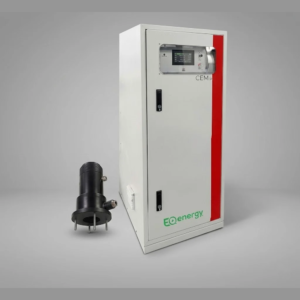
Controlling emissions and measuring them work best together. After a precipitator is installed, our Continuous Emission Monitoring Station can measure what leaves the stack, showing whether the unit is doing its job and helping you keep records. If you also want to track dust in the air around your site, our Suspended Particulate Matter (SPM) Analyzer and Continuous Ambient Air Quality Monitoring Station can help. For other situations, our Bag Filter, Venturi Scrubber and Thermal Oxidizer may suit your process better.
Choosing the Right Electrostatic Precipitator
The right design depends on your process. Please keep these details ready: the type of plant and process, the gas flow, temperature and moisture, the type and amount of dust, any rules or limits that apply to your plant, the power available, and the space for installation. Our team can guide you on the right type, size and materials.
Installation and Maintenance
For safe and reliable performance, the precipitator should be installed and connected to the gas duct, power supply and dust handling system according to the manufacturer’s guidance and applicable safety rules. Regular checks help keep it working well. The electrodes and plates should be inspected, the rapping or washing system checked, hoppers emptied so they do not overfill, and the electrical equipment and controls reviewed. Our team can guide you on installation, and support is available for servicing and operating questions afterwards.
Why Choose EOEnergy?
EOEnergy Pvt. Ltd. is a manufacturer and supplier of power solution and environmental equipment, including generators, retrofit emission control devices and dual fuel kits, along with a range of air pollution control devices, flowmeters and monitoring systems. This lets us support your emission control and monitoring needs from one source.
Frequently Asked Questions
1. What is an electrostatic precipitator?
It is an air pollution control device that charges dust particles in exhaust gas and pulls them onto metal plates, from where the dust is removed and collected.
2. What pollutants can it remove?
It is mainly used for dust and fine particles. Wet types can also treat certain mists and fumes. It is not designed to remove gases.
3. What is the difference between a dry and a wet ESP?
A dry ESP collects dust as a dry layer and removes it by rapping. A wet ESP uses water to clean the plates and suits sticky dust, mists and fumes.
4. How is it different from a bag filter?
A bag filter traps dust on fabric. An ESP uses an electric charge to collect dust on plates and lets gas pass with less resistance. The better choice depends on your dust and gas, so our team can help you compare them.
5. How can I check that it is working?
Emission readings from the stack show how well the precipitator is performing. Our Continuous Emission Monitoring Station can provide this data.


 Total views : 1588
Reviews
There are no reviews yet.