
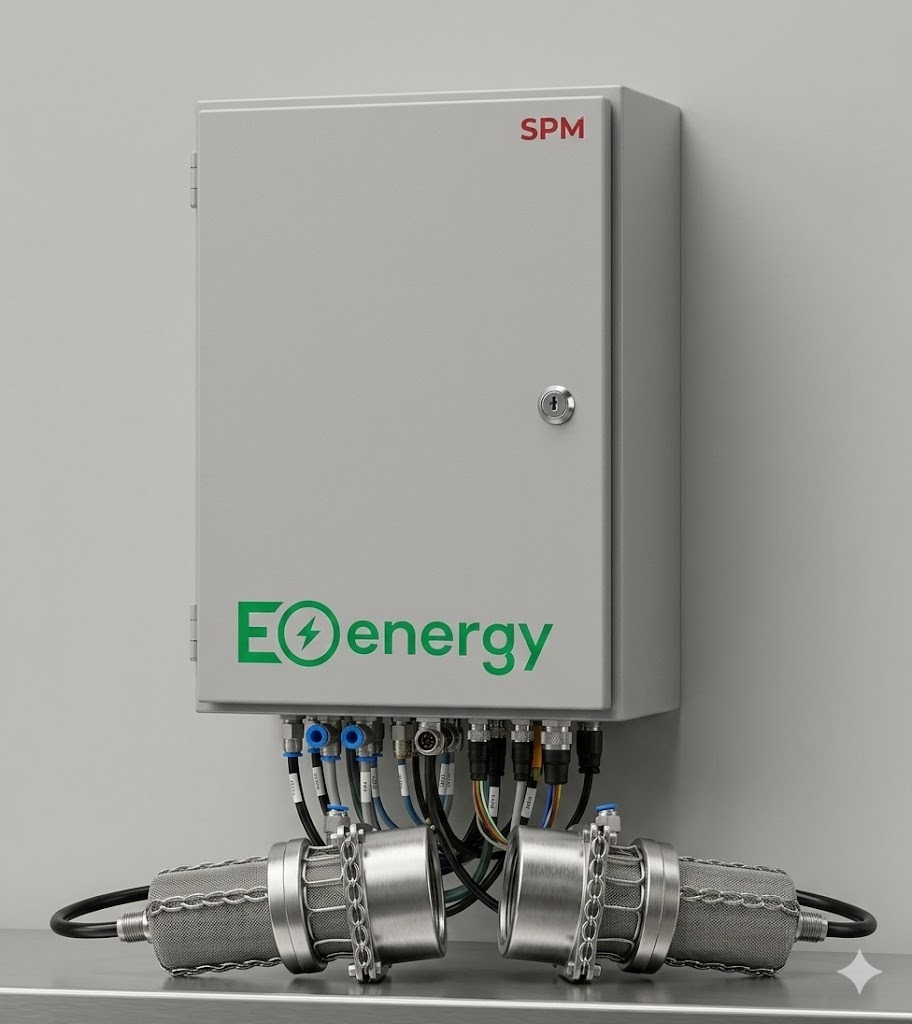
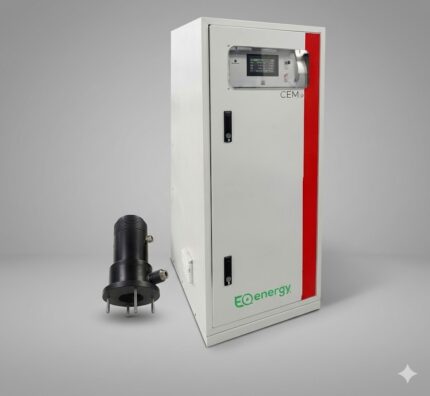
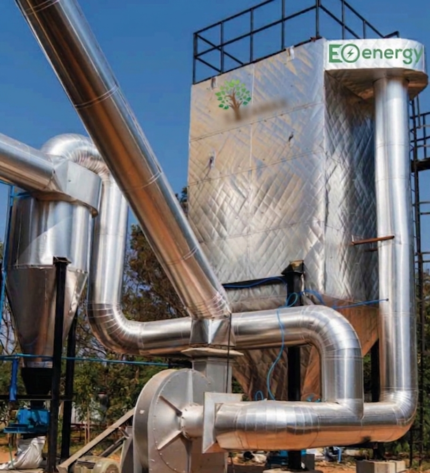
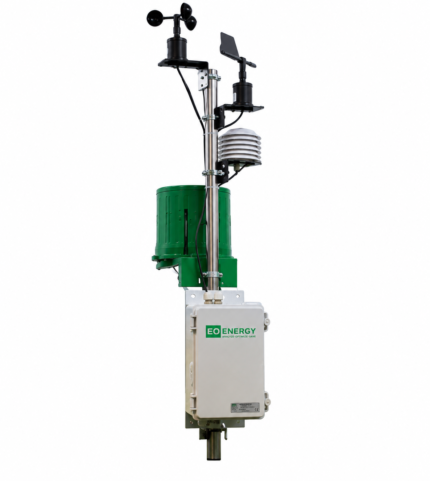
Air pollution has become one of the most significant environmental concerns affecting industrial areas, urban locations, and public health. Industries, construction activities, power plants, mining operations, and vehicle emissions release airborne particles into the atmosphere, which can negatively impact air quality and human health. Monitoring these pollutants is essential for maintaining environmental standards and ensuring cleaner air. One of the important instruments used for monitoring airborne particles is the Suspended Particulate Matter (SPM) Analyzer.
EO Energy provides Suspended Particulate Matter (SPM) Analyzer systems designed for accurate air quality monitoring and particulate measurement. These analyzers help industries, environmental agencies, and monitoring stations measure the concentration of suspended particulate matter present in ambient air or industrial environments.
SPM analyzers play an important role in environmental monitoring by helping organizations assess pollution levels and maintain compliance with air quality regulations.
What is a Suspended Particulate Matter (SPM) Analyzer?
A Suspended Particulate Matter (SPM) Analyzer is an air monitoring instrument used for measuring the concentration of particulate matter suspended in the atmosphere. Suspended particulate matter consists of dust, smoke, soot, aerosols, and other fine airborne particles that remain present in the air for a certain period of time.
These particles are generated from industrial emissions, construction activities, combustion processes, vehicle exhaust, mining operations, and other pollution sources. Excessive levels of suspended particulate matter can affect visibility, environmental quality, and respiratory health.
An SPM Analyzer helps monitor these particles by collecting and analyzing airborne particulate matter. The collected data is used for environmental studies, industrial monitoring, pollution control assessment, and regulatory compliance.
Importance of SPM Monitoring
Monitoring suspended particulate matter is important because airborne particles can directly affect both environmental and human health. Fine particulate matter can enter the respiratory system and may contribute to breathing difficulties and other health-related concerns.
Environmental authorities and pollution control boards have established air quality standards that industries and monitoring agencies must follow. SPM monitoring helps identify pollution levels and evaluate whether emissions remain within permissible limits.
SPM analyzers are widely used for:
- Ambient air quality monitoring
- Industrial emission assessment
- Environmental impact studies
- Pollution control monitoring
- Urban air quality analysis
- Research and environmental surveys
Accurate monitoring of suspended particulate matter helps industries and authorities take necessary steps for pollution reduction and environmental management.
Working Principle of Suspended Particulate Matter (SPM) Analyzer
The Suspended Particulate Matter (SPM) Analyzer works by drawing ambient air through a sampling system where airborne particles are collected on filter media. The instrument measures the concentration of particulate matter present in the sampled air over a specific period.
The analyzer generally uses a blower or vacuum mechanism to pull air at a controlled flow rate through the filter paper. Suspended particles become trapped on the filter surface while clean air passes through the system.
After the sampling process, the collected particles are analyzed to determine particulate concentration levels. The data generated by the analyzer helps assess air quality and particulate pollution levels in the surrounding environment.
Modern SPM analyzers may also include digital displays, automatic flow control systems, data logging features, and monitoring software for improved operational efficiency and reporting accuracy.
Applications of Suspended Particulate Matter (SPM) Analyzer
SPM analyzers are widely used in different sectors where air quality monitoring is essential. EO Energy provides Suspended Particulate Matter (SPM) Analyzer systems suitable for industrial, environmental, and research applications.
Industrial facilities use SPM analyzers to monitor airborne particulate emissions generated during manufacturing and processing activities. Cement plants, steel industries, thermal power plants, chemical manufacturing units, and mining operations commonly use these analyzers for environmental monitoring.
Government pollution control agencies and environmental monitoring stations also use SPM analyzers for ambient air quality assessment in urban and industrial areas.
Construction sites and infrastructure projects use these analyzers to monitor dust levels and maintain environmental compliance during operations. Educational institutions, research laboratories, and environmental consultants also rely on SPM analyzers for air quality studies and environmental assessments.
Features of EO Energy SPM Analyzer Systems
EO Energy designs Suspended Particulate Matter (SPM) Analyzer systems for reliable and accurate particulate monitoring. The analyzers are developed using suitable components and monitoring technologies to ensure stable performance under different environmental conditions.
The systems are designed for continuous air sampling and efficient particulate collection. EO Energy analyzers are suitable for both industrial and ambient air monitoring applications.
The analyzers may include features such as digital displays, flow monitoring systems, programmable timers, and data recording capabilities for easier operation and monitoring.
The equipment is designed for durability and operational reliability, making it suitable for long-term environmental monitoring applications.
Benefits of Using Suspended Particulate Matter (SPM) Analyzer
One of the major benefits of using an SPM Analyzer is accurate air quality monitoring. Reliable particulate measurement helps industries and environmental agencies understand pollution levels and identify areas requiring corrective action.
SPM analyzers support environmental compliance by helping industries monitor emissions and maintain air quality standards. Accurate monitoring data also supports environmental reporting and pollution control assessments.
Another important advantage is improved environmental management. By monitoring particulate matter levels regularly, organizations can implement suitable pollution control measures and improve operational practices.
SPM analyzers also support research and environmental studies by providing valuable data for pollution analysis and air quality improvement strategies.
Continuous monitoring of suspended particulate matter helps industries maintain safer working conditions and reduce environmental impact.
Importance of Air Quality Monitoring
Air quality monitoring has become increasingly important due to growing industrialization, urbanization, and environmental concerns. Suspended particulate matter is considered one of the major pollutants affecting ambient air quality in industrial and urban areas.
Regular monitoring helps identify pollution trends, assess industrial impact, and support environmental planning. Industries that actively monitor emissions demonstrate environmental responsibility and contribute to cleaner surroundings.
Government authorities also rely on air quality monitoring systems to implement pollution control policies and maintain environmental standards. Monitoring airborne particulate matter helps create awareness about pollution levels and encourages industries to adopt cleaner technologies.
SPM analyzers therefore play a critical role in environmental protection and industrial emission management.
Why Choose EO Energy?
EO Energy provides environmental monitoring and air pollution control solutions designed for industrial and environmental applications. The company offers Suspended Particulate Matter (SPM) Analyzer systems developed for accurate particulate monitoring and reliable operation.
EO Energy focuses on delivering practical solutions that support air quality assessment, pollution monitoring, and environmental compliance. The systems are designed according to operational requirements and environmental monitoring standards.
The company also provides technical support and guidance for selecting suitable air monitoring equipment based on application requirements and monitoring objectives.
Maintenance of SPM Analyzer Systems
Regular maintenance is important for maintaining the accuracy and reliability of SPM analyzers. Periodic inspection of filters, sampling systems, and airflow mechanisms helps ensure proper operation.
Cleaning the equipment and replacing filter media at recommended intervals help maintain accurate particulate collection and measurement performance.
Calibration and routine system checks are also important for ensuring monitoring accuracy and stable operation. Proper maintenance improves equipment life and supports consistent air quality monitoring performance.
FAQs – Suspended Particulate Matter (SPM) Analyzer
1. What is a Suspended Particulate Matter (SPM) Analyzer?
An SPM Analyzer is an air monitoring instrument used to measure the concentration of suspended particulate matter such as dust, smoke, and airborne particles in the atmosphere.
2. Why is SPM monitoring important?
SPM monitoring helps assess air quality, identify pollution levels, maintain environmental compliance, and support pollution control measures.
3. Which industries use SPM Analyzers?
Industries such as cement plants, steel industries, thermal power plants, mining operations, construction sites, and chemical manufacturing units commonly use SPM analyzers.
4. How does an SPM Analyzer work?
The analyzer draws air through filter media where suspended particles are collected and measured to determine particulate concentration levels.
5. Does EO Energy provide SPM Analyzer systems for industrial applications?
Yes, EO Energy provides Suspended Particulate Matter (SPM) Analyzer systems suitable for industrial air quality monitoring and environmental applications.





 Total views : 24426
Reviews
There are no reviews yet.