

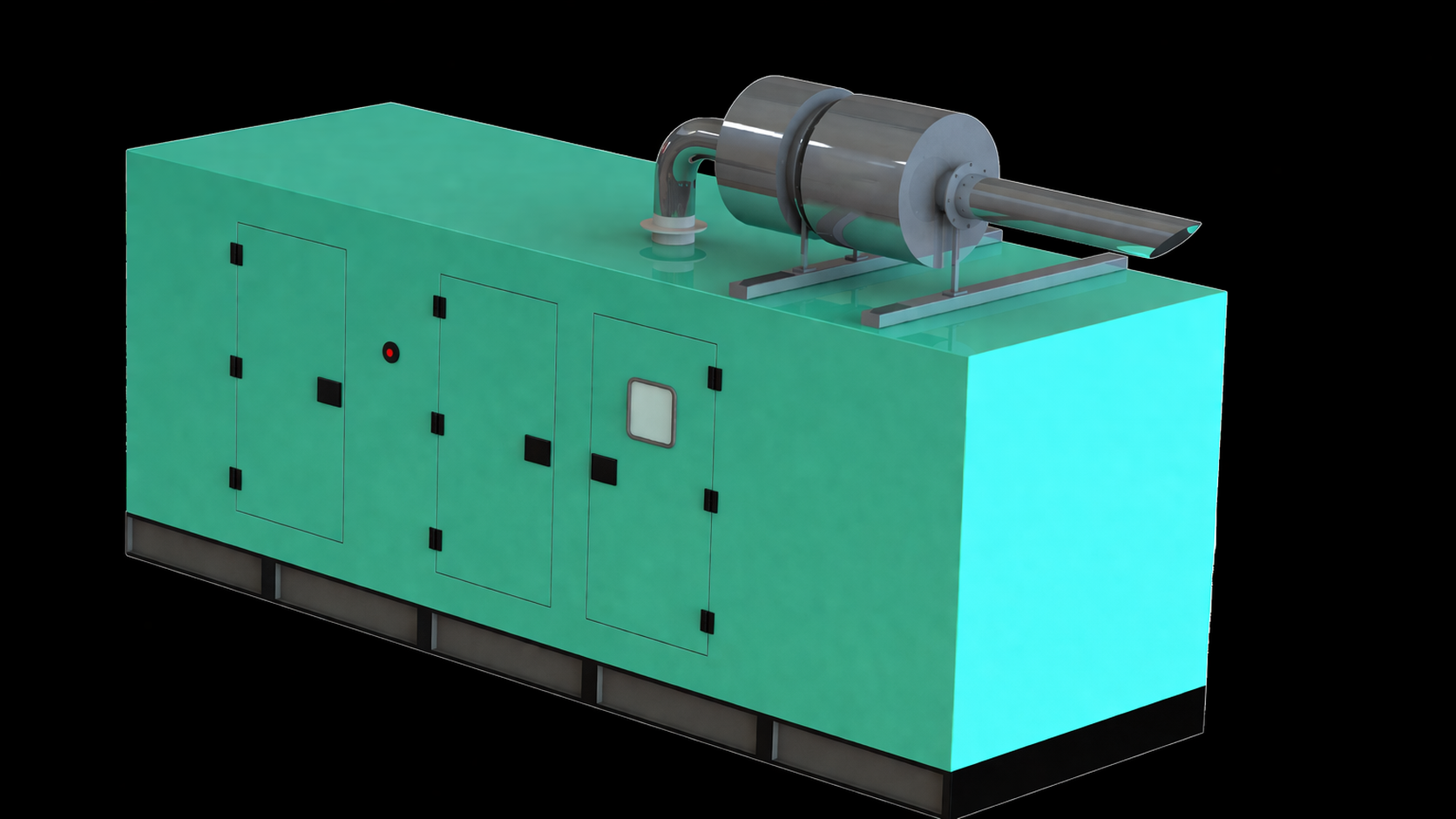
By EO Energy Pvt. Ltd.
Air pollution has become one of the most pressing environmental concerns worldwide, especially in rapidly developing urban and industrial regions. Diesel Generator (DG) sets, widely used as backup power sources, contribute significantly to harmful emissions such as particulate matter (PM), carbon monoxide (CO), nitrogen oxides (NOx), and hydrocarbons. To address this growing issue, industries are increasingly turning to advanced solutions like the Emission Control Device.
An Emission Control Device is designed to reduce harmful exhaust emissions from diesel engines, making operations cleaner, safer, and compliant with environmental regulations. In this blog, we will explore how these devices work, their importance, and how EO Energy’s solutions help industries improve air quality effectively.
Understanding Emission Control Devices
An Emission Control Device is a specially engineered system installed in diesel engines or DG sets to reduce pollutants released into the atmosphere. These devices use filtration, catalytic reactions, and oxidation processes to minimize harmful emissions.
With stricter environmental norms and growing awareness, industries are now required to adopt efficient emission reduction technologies. Whether it’s a manufacturing unit, construction site, hospital, or commercial building, emission control systems are no longer optional—they are essential.
Why DG Sets Need Pollution Control Solutions
Diesel Generator sets are a major source of pollution, especially in areas with frequent power outages. While they are reliable for power backup, their emissions can negatively impact both environmental and human health.
A Pollution control device for DG Set helps reduce these emissions significantly. It ensures that the generator operates within permissible pollution limits while maintaining performance efficiency. By installing such systems, businesses can contribute to cleaner air and also comply with government regulations.
How an Emission Control Device Works
The working of an Emission Control Device involves multiple stages of filtration and chemical processes. When exhaust gases pass through the device, pollutants are captured or converted into less harmful substances.
The system typically includes advanced filters and catalytic converters that target particulate matter and toxic gases. The filtration process traps fine particles, while catalytic reactions convert harmful gases like carbon monoxide and nitrogen oxides into less harmful emissions.
EO Energy designs these systems to deliver consistent performance across various load capacities, ensuring reliable pollution control even under demanding conditions.
Types of Retrofit Emission Control Devices
Industries operate DG sets of varying capacities, and each requires a suitable emission control solution. EO Energy offers a range of retrofit devices tailored to specific power outputs.
For medium-scale operations, the 1010 KVA Retrofit Emission Control Device is an effective solution. It is designed to handle moderate power loads while ensuring significant reduction in particulate emissions.
For larger industrial setups, the 1500 KVA Retrofit Emission Control Device provides enhanced filtration capabilities and supports higher load operations without compromising efficiency.
In heavy-duty industrial environments, the 2000 KVA Retrofit Emission Control Device is ideal. It is engineered for large DG sets and ensures optimal emission reduction even under continuous operation.
These retrofit solutions can be easily integrated into existing DG systems, making them a practical choice for industries looking to upgrade without replacing their equipment.
Benefits of Using Emission Control Devices
Installing an Emission Control Device offers multiple advantages for businesses and the environment. One of the most important benefits is improved air quality. By reducing harmful emissions, these devices help create a healthier environment for workers and surrounding communities.
Another key advantage is regulatory compliance. Many regions have strict pollution norms, and failure to comply can lead to penalties or operational restrictions. Using a reliable emission control system ensures that your DG sets meet the required standards.
Operational efficiency is also improved. EO Energy’s systems are designed to work seamlessly with existing equipment, ensuring minimal disruption and optimal performance.
In addition, these devices contribute to sustainability goals. Businesses that adopt eco-friendly technologies demonstrate responsibility toward environmental protection, which can enhance their brand image and credibility.
Role of EO Energy in Emission Control Solutions
EO Energy has established itself as a trusted provider of emission control technologies. With a focus on innovation and reliability, the company offers customized solutions tailored to different industrial needs.
The brand specializes in developing high-performance Emission Control Devices that deliver consistent results. Each system is designed with advanced engineering and tested to ensure durability and efficiency.
EO Energy understands the challenges industries face when it comes to pollution control. That’s why their solutions are easy to install, require minimal maintenance, and provide long-term value.
Improving Air Quality Through Advanced Technology
Air quality improvement is not just about reducing emissions—it is about creating a sustainable future. Emission Control Devices play a critical role in achieving this goal.
By significantly lowering particulate matter and harmful gases, these systems help reduce smog formation and improve overall environmental conditions. This is especially important in urban areas where pollution levels are high.
Industries that invest in emission control technologies not only comply with regulations but also contribute to public health and environmental protection. It is a step toward responsible industrial growth.
Choosing the Right Emission Control Device
Selecting the right emission control solution depends on several factors, including DG set capacity, operational requirements, and regulatory standards.
Businesses should consider the size and load of their generators when choosing a device. For example, a 1010 KVA system may require a different solution compared to a 2000 KVA setup.
It is also important to choose a trusted provider like EO Energy, which offers reliable products and expert guidance. A well-designed system ensures long-term performance and maximum emission reduction.
Future of Emission Control Technologies
With increasing environmental awareness and stricter regulations, the demand for emission control devices is expected to grow rapidly. Innovations in filtration and catalytic technologies will further enhance efficiency and performance.
EO Energy continues to invest in research and development to stay ahead of industry trends. The goal is to provide advanced solutions that meet evolving environmental standards and support sustainable operations.
Conclusion
The importance of reducing pollution and improving air quality cannot be overstated. Diesel Generator sets, while essential, contribute significantly to harmful emissions. Installing an Emission Control Device is a practical and effective way to address this challenge.
From small-scale operations to large industrial setups, EO Energy offers solutions that ensure cleaner emissions, regulatory compliance, and improved environmental performance. By adopting these technologies, businesses can take a meaningful step toward sustainability and responsible growth.
FAQs
1. What is an Emission Control Device?
An Emission Control Device is a system designed to reduce harmful pollutants from diesel engines or DG sets, improving air quality and ensuring compliance with environmental standards.
2. Why is a pollution control device for DG Set important?
It helps reduce emissions such as particulate matter and toxic gases, ensuring safer operations and meeting government regulations.
3. Can retrofit emission control devices be installed on existing DG sets?
Yes, retrofit devices like the 1010 KVA, 1500 KVA, and 2000 KVA systems can be easily installed on existing DG sets without major modifications.
4. How do these devices improve air quality?
They filter and convert harmful emissions into less toxic substances, reducing pollution and improving overall air conditions.
5. Which capacity should I choose for my DG set?
The capacity depends on your DG set’s power output. EO Energy provides customized solutions based on specific operational requirements.
Contact Us
Looking for the right Emission Control Device for your DG set? EO Energy is here to help.
Our team can guide you in selecting the most suitable solution based on your requirements, whether it’s a Pollution control device for DG Set or advanced retrofit systems like the 1010 KVA Retrofit Emission Control Device, 1500 KVA Retrofit Emission Control Device, or 2000 KVA Retrofit Emission Control Device.
Get in touch with us today to learn more about how we can help you reduce emissions and improve air quality in your operations.