

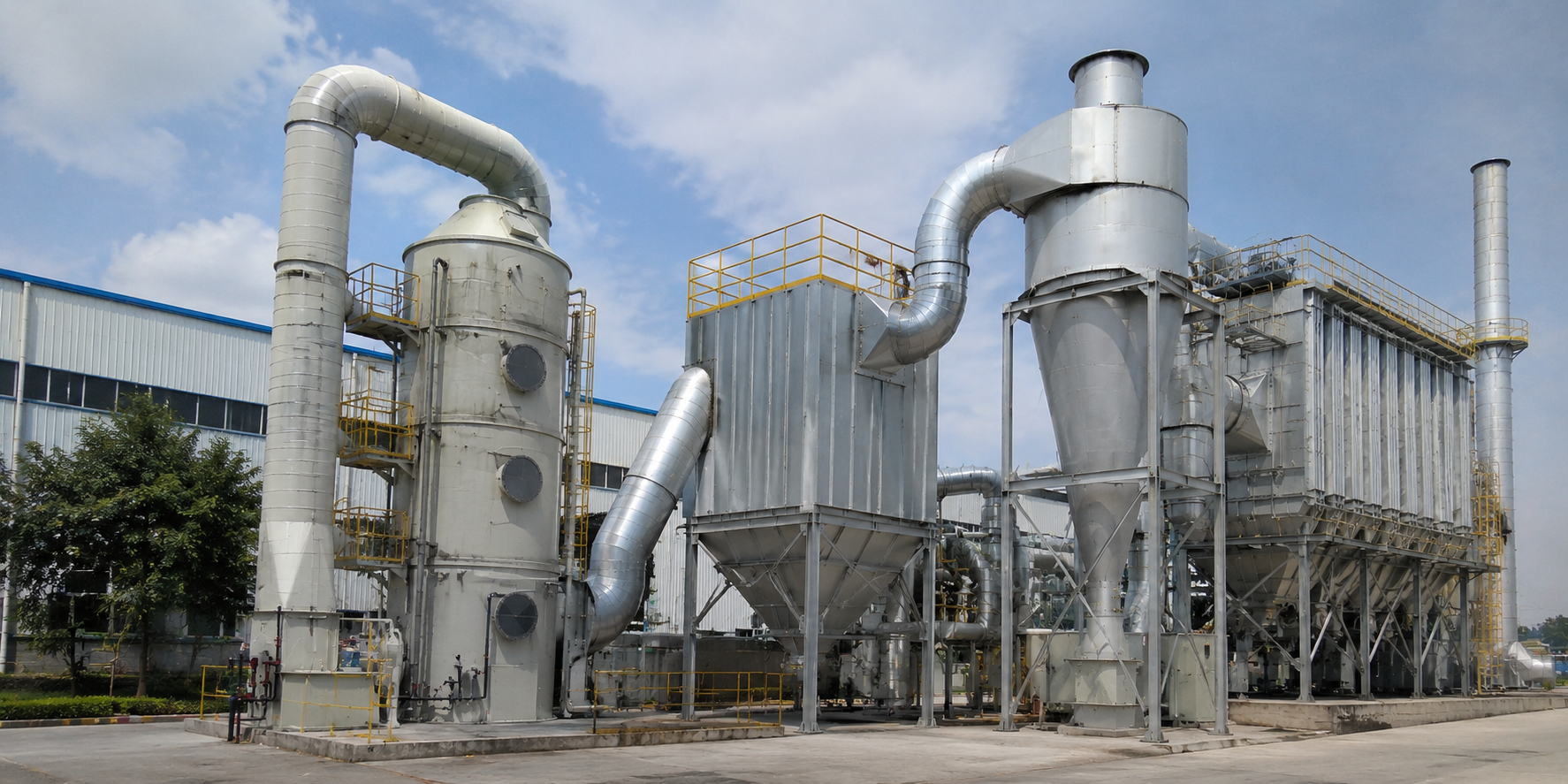
Air pollution has become one of the biggest environmental challenges for industrial sectors across the world. Manufacturing plants, processing units, power generation facilities, steel industries, chemical plants, and other industrial operations release smoke, dust, gases, and harmful pollutants into the atmosphere during production activities. Without proper control systems, these emissions can affect air quality, worker safety, industrial efficiency, and environmental sustainability.
To manage these industrial emissions, businesses rely on Air Pollution Control Devices that are specifically designed to capture, filter, and reduce harmful pollutants before they enter the environment. These systems play a major role in helping industries maintain cleaner operations while complying with environmental regulations and safety standards.
Industries today are increasingly investing in advanced pollution management systems to create safer workplaces and reduce their environmental impact. EO Energy supports industries with solutions focused on industrial emission control and environmental management systems that help businesses move toward cleaner industrial practices.
Understanding the Importance of Air Pollution Control Devices
Industrial activities often generate airborne pollutants such as particulate matter, smoke, toxic gases, chemical fumes, and dust particles. Continuous exposure to these pollutants can create serious environmental and health concerns. Poor air quality may affect workers inside the plant and nearby communities surrounding industrial areas.
Air Pollution Control Devices are designed to minimize these emissions by capturing pollutants directly from industrial exhaust systems. These systems help industries improve air quality while supporting environmental protection initiatives.
Industries that commonly require pollution control systems include:
- Chemical manufacturing plants
- Cement industries
- Steel and metal processing units
- Pharmaceutical industries
- Food processing facilities
- Thermal power plants
- Textile industries
- Automotive manufacturing units
The growing focus on environmental compliance has made pollution control equipment an essential part of industrial infrastructure.
Why Modern Industries Need Air Pollution Control Devices
Industrial emission standards are becoming stricter across many sectors. Regulatory authorities require industries to control harmful pollutants and maintain acceptable emission levels. Installing Air Pollution Control Devices helps industries meet these requirements while improving operational safety.
Some major reasons industries invest in pollution control systems include:
Environmental Protection
Industrial emissions contribute to air pollution and environmental degradation. Pollution control systems help reduce the release of harmful gases and particulate matter into the atmosphere.
Worker Health and Safety
Workers exposed to dust, smoke, and chemical fumes may face respiratory and health-related issues. Proper filtration and extraction systems help create safer workplace conditions.
Regulatory Compliance
Industries must comply with environmental laws and emission standards established by pollution control authorities. Pollution management systems help avoid penalties and operational interruptions.
Improved Industrial Operations
Cleaner production environments often improve equipment performance and reduce contamination-related maintenance issues.
Types of Air Pollution Control Devices Used in Industries
Different industries generate different kinds of pollutants. Therefore, various pollution control systems are used depending on industrial applications and emission types.
Air Pollution Control Devices for Dust and Particulate Removal
Dust particles are one of the most common industrial pollutants generated during grinding, crushing, material handling, and manufacturing processes. Fine dust particles can spread easily and affect both machinery and human health.
Bag Filter Systems
Bag filter systems are widely used for dust collection applications. These systems use fabric filter bags to trap airborne particles while allowing clean air to pass through.
Industries using bag filters include:
- Cement plants
- Food industries
- Pharmaceutical manufacturing units
- Powder processing industries
Cyclone Separators
Cyclone separators remove larger particulate matter from exhaust gases using centrifugal force. These systems are commonly used as pre-cleaners before advanced filtration systems.
Cartridge Filter Systems
Cartridge filters are compact dust collection systems suitable for fine particulate filtration. They are commonly used in industries requiring precise dust control.
Air Pollution Control Devices for Gas and Fume Treatment
Industries dealing with chemicals, metals, and high-temperature operations often release hazardous gases and fumes during production activities.
Wet Scrubber Systems
Wet scrubbers are effective systems used for removing harmful gases and particulate matter from industrial exhaust streams. These systems use liquids, generally water or chemical solutions, to absorb pollutants.
Wet scrubbers are widely used in:
- Chemical industries
- Metal processing plants
- Fertilizer manufacturing units
- Pharmaceutical industries
Fume Extraction Systems
Fume extraction systems capture harmful fumes generated during welding, chemical processing, galvanizing, and metal treatment operations.
These systems help:
- Improve indoor air quality
- Reduce worker exposure to harmful gases
- Maintain cleaner industrial environments
Electrostatic Precipitators
Electrostatic precipitators use electrically charged plates to collect fine particles from industrial emissions. These systems are highly effective for handling large gas volumes.
Applications include:
- Thermal power plants
- Cement industries
- Steel manufacturing plants
Industrial Applications of Air Pollution Control Devices
Pollution control equipment is now widely adopted across several industrial sectors due to increasing environmental awareness and compliance requirements.
Cement Industry
Cement manufacturing generates significant dust emissions during material handling and grinding operations. Dust collection systems and electrostatic precipitators are commonly used to control emissions.
Steel and Metal Industries
Steel plants release fumes, smoke, and particulate matter during furnace operations and metal processing. Fume extraction systems and wet scrubbers help reduce airborne contaminants.
Chemical Processing Plants
Chemical industries generate hazardous gases and vapors that require advanced filtration and scrubbing systems for safe emission control.
Pharmaceutical Manufacturing
Air filtration systems are important in pharmaceutical industries to maintain controlled environments and manage airborne contaminants.
Food Processing Industries
Food processing facilities use dust collection systems to maintain hygiene and control airborne particles during production activities.
Key Benefits of Air Pollution Control Devices
Industries that invest in advanced Air Pollution Control Devices experience several operational, environmental, and safety-related advantages. These systems not only help reduce industrial emissions but also improve overall production efficiency and workplace conditions.
Reduced Industrial Emissions
Pollution control systems help capture harmful gases, smoke, fumes, and particulate matter before they are released into the atmosphere. This helps industries minimize their environmental impact and maintain cleaner air quality.
Improved Worker Safety
Industrial pollutants can create health risks for employees working in manufacturing environments. Air pollution control systems reduce exposure to harmful dust, toxic gases, and chemical fumes, creating safer workplace conditions.
Better Environmental Compliance
Industries are required to follow pollution control regulations and emission standards. Installing suitable Air Pollution Control Devices helps businesses comply with environmental laws and avoid penalties or operational disruptions.
Enhanced Equipment Performance
Dust accumulation and airborne contaminants can affect industrial machinery and reduce operational efficiency. Cleaner production environments help improve equipment lifespan and reduce maintenance requirements.
Cleaner Workplace Environment
Pollution control systems improve indoor air quality and help maintain cleaner industrial spaces. This creates a more comfortable and productive working environment for employees.
Long-Term Cost Savings
Efficient emission control systems can reduce operational downtime, maintenance costs, and expenses associated with environmental non-compliance. Industries also benefit from improved process efficiency over time.
Support for Sustainable Operations
Modern industries are increasingly focusing on sustainable manufacturing practices. Pollution control equipment helps businesses reduce their environmental footprint and support cleaner industrial operations.
Better Industrial Reputation
Industries that adopt pollution control solutions demonstrate environmental responsibility and commitment toward safer industrial practices, which can strengthen their reputation among clients, authorities, and stakeholders.
Choosing the Right Air Pollution Control Devices
- Type of pollutants generated
- Industrial process requirements
- Emission volume
- Temperature and chemical composition of gases
- Space availability
- Maintenance requirements
- Energy efficiency
Choosing the correct system helps industries achieve effective pollution management while maintaining production efficiency.
Selecting suitable pollution control equipment depends on several operational factors. Industries should evaluate:
EO Energy and Industrial Pollution Control Solutions
EO Energy supports industries with environmental management and industrial pollution control solutions designed to improve operational safety and emission control. Industrial sectors are continuously looking for efficient technologies that help reduce pollution while supporting productivity.
Modern pollution control systems are becoming more advanced with features such as:
- Automated monitoring systems
- Smart emission tracking
- Energy-efficient filtration technology
- Improved dust collection efficiency
- Advanced gas cleaning systems
EO Energy focuses on helping industries adopt practical solutions for cleaner industrial operations and environmental compliance.
Future of Air Pollution Control Devices
As industries continue to expand, the demand for advanced Air Pollution Control Devices is expected to grow significantly. Industries are now investing in systems that not only manage emissions but also improve operational efficiency and sustainability.
Technological advancements are leading to:
- Smarter pollution monitoring systems
- Automated emission management
- Improved filtration technologies
- Energy-saving pollution control equipment
- Sustainable industrial practices
The future of industrial development will increasingly depend on cleaner production methods and efficient pollution management systems.
Conclusion
Industrial pollution control has become an essential part of modern manufacturing and processing operations. Air Pollution Control Devices help industries reduce harmful emissions, improve workplace safety, and maintain compliance with environmental standards.
From dust collection systems and wet scrubbers to fume extraction units and electrostatic precipitators, these technologies play a major role in maintaining cleaner industrial environments. Businesses across multiple industries are now recognizing the importance of investing in effective pollution control systems for long-term sustainability and operational efficiency.
EO Energy continues to support industrial sectors with solutions focused on cleaner operations and environmental management. As industries move toward sustainable manufacturing practices, advanced pollution control systems will remain essential for achieving safer and environmentally responsible industrial growth.
Frequently Asked Questions (FAQs)
1. What are Air Pollution Control Devices?
Air Pollution Control Devices are industrial systems designed to reduce harmful pollutants, dust, fumes, gases, and particulate matter released during manufacturing and processing operations. These systems help improve air quality and support environmental compliance.
2. Why are Air Pollution Control Devices important in industries?
These devices help industries control emissions, maintain cleaner work environments, improve worker safety, and comply with environmental regulations. They also reduce the environmental impact of industrial operations.
3. Which industries commonly use Air Pollution Control Devices?
Industries such as cement manufacturing, steel plants, chemical processing units, pharmaceutical industries, food processing facilities, thermal power plants, and textile industries commonly use pollution control equipment.
4. What are the common types of Air Pollution Control Devices?
Some widely used Air Pollution Control Devices include bag filters, wet scrubbers, electrostatic precipitators, cyclone separators, cartridge filters, and fume extraction systems.
5. How do Air Pollution Control Devices improve industrial efficiency?
These systems help maintain cleaner production environments, reduce equipment contamination, improve workplace safety, minimize maintenance issues, and support smoother industrial operations.
Contact EO Energy
Looking for reliable Air Pollution Control Devices for your industrial operations? EO Energy provides industrial solutions designed to support emission control, environmental management, and cleaner production processes.
Connect with EO Energy to explore suitable pollution control solutions for your industry and improve environmental compliance with efficient industrial systems.


 Total views : 24233