

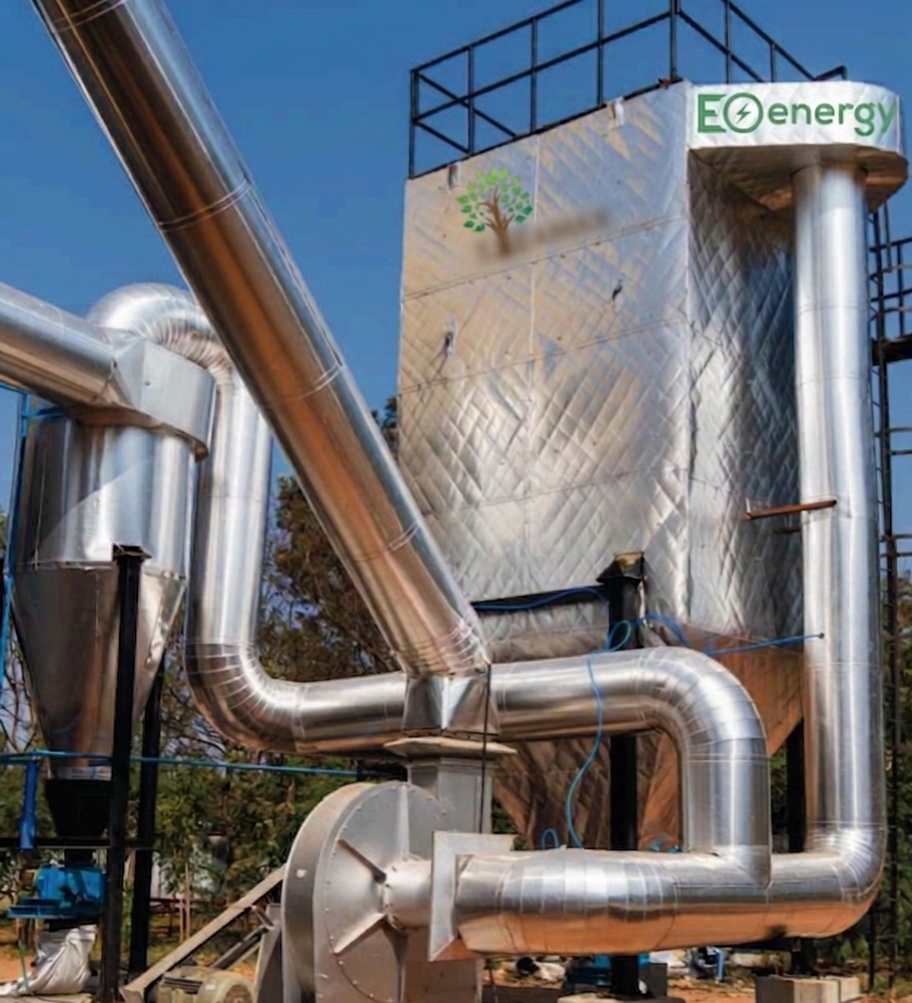
Industrial growth has played a major role in economic development, but it has also increased the level of pollutants released into the environment. Factories, manufacturing plants, power stations, and processing industries generate smoke, gases, dust, and harmful particles that can affect air quality. To manage these emissions, industries rely on Air Pollution Control Devices that help reduce contaminants before they are released into the atmosphere.
Businesses across different sectors are now focusing on cleaner production methods and environmental compliance. Government regulations and environmental standards have also encouraged industries to adopt effective pollution management systems. EO Energy provides industrial solutions that support emission control and help industries work toward cleaner and safer operations.
Understanding Air Pollution Control Devices
Air Pollution Control Devices – APCD are systems designed to remove pollutants, gases, fumes, dust particles, and other contaminants from industrial exhaust streams. These devices are commonly installed in industries where manufacturing processes generate airborne pollutants. Their main objective is to minimize environmental impact and improve air quality.
Industries such as cement plants, thermal power stations, chemical manufacturing units, pharmaceutical plants, steel industries, food processing facilities, and textile units often use pollution control equipment to maintain compliance with environmental norms.
These systems work by capturing harmful pollutants before they enter the atmosphere. Different devices are used depending on the type of pollutant generated, the volume of emissions, and industrial requirements.
Why Industries Need Air Pollution Control Devices
Industrial emissions can affect both the environment and public health. Pollutants released into the air may contain toxic gases, fine particulate matter, volatile organic compounds, and smoke. Long-term exposure to these pollutants can lead to respiratory issues, environmental degradation, and reduced air quality.
Air Pollution Control Devices help industries in several ways:
- Reduction of harmful emissions
- Improved workplace safety
- Better compliance with environmental standards
- Reduced environmental impact
- Improved operational efficiency
- Better sustainability practices
Many industries now consider pollution control systems as an essential part of their operational setup rather than an optional addition.
Types of Air Pollution Control Devices
Different industries require different pollution control methods depending on the pollutants generated. Some commonly used Air Pollution Control Devices include:
Electrostatic Precipitators
Electrostatic precipitators are used to remove fine particles from exhaust gases. These systems use electrically charged plates to attract and collect dust particles from industrial emissions.
They are commonly used in:
- Thermal power plants
- Cement manufacturing units
- Steel plants
- Paper industries
Electrostatic precipitators are effective in handling large volumes of gas while maintaining low pressure loss.
Bag Filter Systems
Bag filters are widely used for dust collection in industrial applications. These systems contain filter bags that trap dust particles while allowing clean air to pass through.
Industries using bag filters include:
- Cement plants
- Food processing industries
- Chemical industries
- Pharmaceutical manufacturing units
These systems are suitable for controlling dry dust and particulate emissions.
Applications of Air Pollution Control Devices in Industries
The use of Air Pollution Control Devices has increased significantly across industrial sectors. Every industry has unique emission challenges, and pollution control equipment is selected accordingly.
Cement Industry
Cement manufacturing generates large amounts of dust and particulate matter. Pollution control systems such as bag filters and electrostatic precipitators are commonly installed to reduce airborne dust emissions.
Power Plants
Thermal power plants release fly ash and gaseous pollutants during combustion processes. Air pollution control systems help reduce emissions and improve environmental compliance.
Chemical Industries
Chemical plants release gases, fumes, and volatile compounds during production. Scrubbers and filtration systems are used to control harmful emissions.
Food Processing Units
Food processing facilities generate dust and odor emissions. Pollution control equipment helps maintain cleaner air within processing environments.
Pharmaceutical Manufacturing
Pharmaceutical units require controlled environments with proper air filtration systems to manage chemical particles and maintain air quality standards.
Air Pollution Control Devices for Dust Collection
Dust is one of the most common pollutants generated in industrial environments. Fine particulate matter can spread easily through the air and affect both workers and nearby surroundings. Dust collection systems are designed to capture particles at the source.
Common dust collection systems include:
- Cyclone separators
- Bag house filters
- Cartridge filters
- Wet scrubbers
These systems are widely used in industries dealing with powder handling, grinding, crushing, and material processing.
Benefits of Installing Air Pollution Control Devices
Industries that install proper pollution control systems experience several operational and environmental benefits.
Improved Environmental Compliance
Environmental authorities have established strict emission standards for industries. Pollution control systems help businesses meet these requirements and avoid penalties.
Better Air Quality
Controlling emissions reduces the release of pollutants into the atmosphere and contributes to cleaner air in industrial areas.
Increased Equipment Efficiency
Dust and particulate buildup can affect industrial machinery. Pollution control systems help maintain cleaner production environments and support smoother operations.
Safer Workplace Conditions
Industrial workers exposed to dust, fumes, and toxic gases may face health risks. Pollution control equipment helps create safer working conditions.
Long-Term Sustainability
Industries adopting cleaner technologies contribute to environmental sustainability and responsible manufacturing practices.
Choosing the Right Air Pollution Control Devices
Selecting the correct pollution control equipment depends on multiple factors. Industries should evaluate their operational requirements before installing any system.
Factors to consider include:
- Type of pollutant generated
- Emission volume
- Temperature of exhaust gases
- Industrial process requirements
- Space availability
- Maintenance requirements
- Energy consumption
Working with experienced solution providers can help industries identify systems that match their operational needs.
EO Energy and Industrial Pollution Control Solutions
EO Energy supports industries with solutions related to environmental monitoring and pollution management systems. Businesses across manufacturing and industrial sectors are increasingly investing in advanced pollution control technologies to maintain compliance and improve environmental performance.
Modern industries require efficient systems that can manage emissions while supporting continuous production processes. EO Energy focuses on helping industries adopt practical environmental solutions suited for industrial operations.
Future of Air Pollution Control Devices
Industrial pollution management continues to evolve with advancements in technology. Modern systems are becoming more energy-efficient, automated, and capable of handling complex industrial emissions.
Some trends shaping the future of Air Pollution Control Devices include:
- Smart monitoring systems
- Automated emission tracking
- Energy-efficient filtration systems
- IoT-based environmental monitoring
- Advanced gas cleaning technologies
As industries continue to expand, pollution control systems will remain important for maintaining environmental responsibility and regulatory compliance.
Conclusion
Industrial development and environmental responsibility must work together for long-term sustainability. Air Pollution Control Devices play an important role in reducing harmful emissions and improving air quality across industrial sectors. From dust collection systems to gas filtration technologies, these devices help industries control pollutants and support cleaner operations.
Industries across manufacturing, power generation, pharmaceuticals, food processing, and chemical production rely on pollution control systems to maintain safe and compliant environments. Choosing the right equipment depends on industrial requirements, pollutant types, and operational goals.
EO Energy continues to support industrial sectors with solutions focused on environmental management and pollution control. As industries move toward cleaner production practices, the demand for effective air pollution management systems is expected to grow further.
Contact EO Energy for Air Pollution Control Solutions
Looking for reliable Air Pollution Control Devices for your industrial operations? EO Energy provides solutions designed to help industries manage emissions, improve environmental compliance, and support cleaner production processes.
Whether you need dust collection systems, emission monitoring solutions, filtration systems, or industrial pollution control support, our team can help you choose the right solution for your requirements.
Get in Touch With EO Energy Today
- Discuss your industrial pollution control requirements
- Explore suitable Air Pollution Control Devices
- Improve environmental compliance and operational efficiency
- Get guidance for industrial emission management solutions


 Total views : 23880