

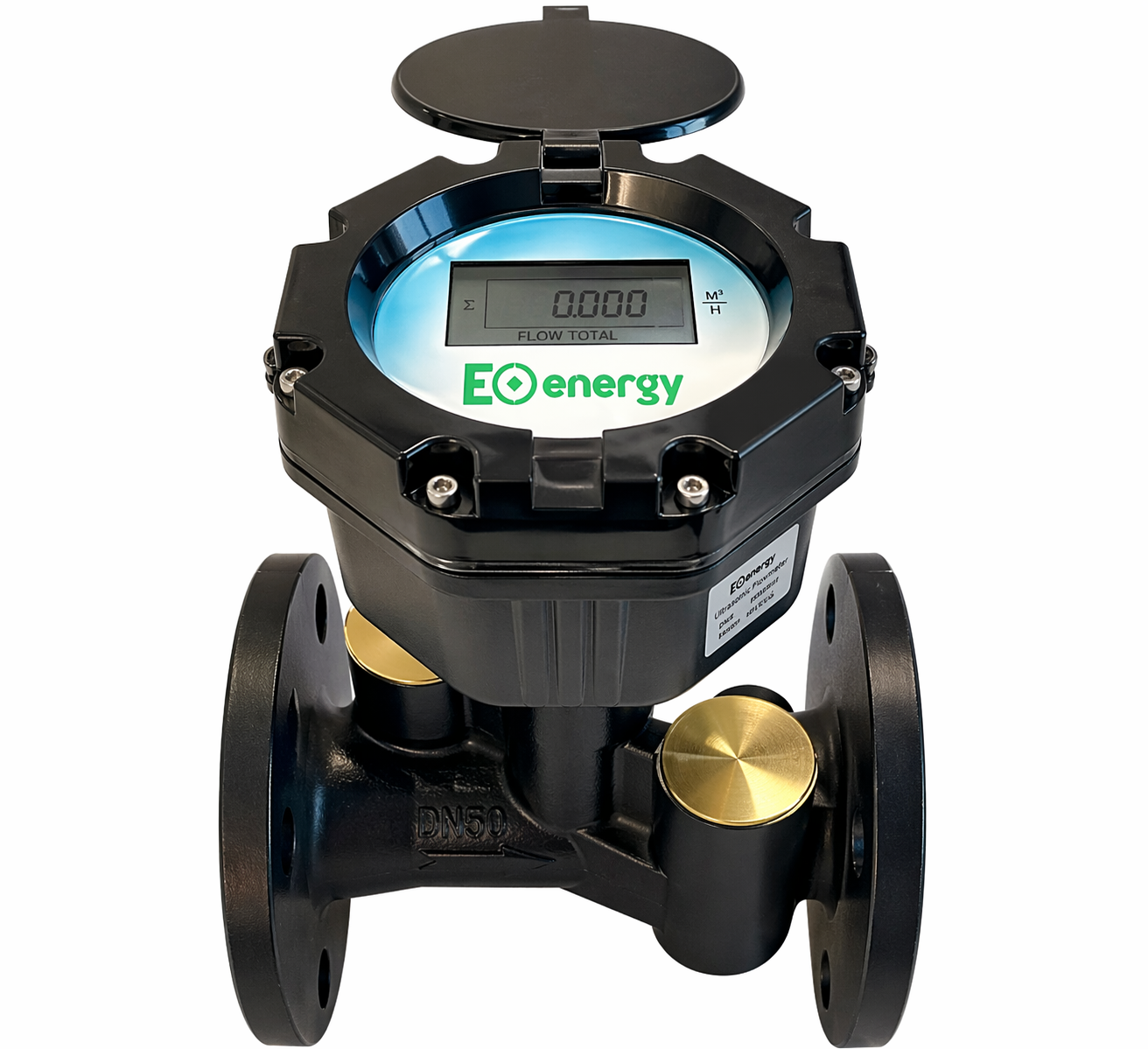
In modern industries, accurate flow measurement plays a critical role in ensuring efficiency, safety, and cost control. One of the most advanced and reliable technologies used today is the Ultrasonic Flowmeter. Known for its precision and non-invasive measurement capabilities, this device has become a preferred choice across industries such as water treatment, oil and gas, chemicals, and power generation.
In this detailed guide by EO Energy, we will explore how an Ultrasonic Flowmeter works, its types, benefits, applications, and why it is an essential tool for industrial use.
What is an Ultrasonic Flowmeter?
An Ultrasonic Flowmeter is a device that measures the velocity of fluid flowing through a pipe using ultrasonic sound waves. Unlike traditional flowmeters, it does not require direct contact with the fluid, making it highly efficient and low-maintenance.
This technology uses sound waves to determine the flow rate, ensuring accurate readings without causing pressure drops or system disruption. Because of this, it is widely used in industries where hygiene, precision, and reliability are critical.
Working Principle of Ultrasonic Flowmeter
The working principle of an Ultrasonic Flowmeter is based on the transmission of high-frequency sound waves through a fluid. The device measures the time it takes for the ultrasonic signal to travel between sensors placed on the pipe.
There are two main methods used:
Transit-Time Method
In this method, ultrasonic signals are sent both upstream and downstream. The difference in travel time between these signals is used to calculate the flow rate. This method is highly accurate and commonly used for clean liquids.
Doppler Method
This method measures the frequency shift of sound waves reflected from particles or bubbles in the fluid. It is suitable for fluids containing suspended solids or impurities.
Both methods ensure precise measurement, making the Ultrasonic Flowmeter ideal for various industrial applications.
Types of Ultrasonic Flowmeters
Understanding the different types of Ultrasonic Flowmeter helps in selecting the right device for specific industrial needs.
Clamp-On Ultrasonic Flowmeter
This type is installed externally on the pipe without cutting or interrupting the flow. It is easy to install and ideal for temporary or portable measurements.
Inline Ultrasonic Flowmeter
Installed directly within the pipeline, this type offers higher accuracy and is suitable for permanent installations.
Portable Ultrasonic Flowmeter
Portable models are used for on-site inspections, troubleshooting, and temporary measurements across multiple locations.
Each type of Ultrasonic Flowmeter is designed to meet specific operational requirements, offering flexibility and efficiency.
Key Advantages of Ultrasonic Flowmeter
The growing popularity of Ultrasonic Flowmeter technology is due to its numerous benefits in industrial applications.
One of the biggest advantages is its non-invasive nature. Since there is no direct contact with the fluid, there is minimal wear and tear, resulting in lower maintenance costs. Additionally, it does not cause pressure loss, ensuring smooth system operation.
Another important benefit is high accuracy and reliability. Ultrasonic Flowmeters provide precise readings even in challenging conditions. They are also versatile and can be used for a wide range of fluids, including liquids and gases.
Furthermore, installation is simple and quick, especially in clamp-on models. This reduces downtime and operational disruption, which is crucial in industrial environments.
Industrial Applications of Ultrasonic Flowmeter
The Ultrasonic Flowmeter is widely used across various industries due to its efficiency and adaptability.
In the water and wastewater industry, it is used for monitoring flow rates in pipelines, treatment plants, and distribution systems. Its non-invasive design makes it ideal for maintaining hygiene standards.
In the oil and gas sector, Ultrasonic Flowmeters are used for measuring crude oil, refined products, and natural gas. Their accuracy ensures better resource management and compliance with industry standards.
The chemical industry also relies on these devices for handling corrosive and hazardous fluids safely. Similarly, in power plants, Ultrasonic Flowmeters are used to monitor cooling water and steam flow.
These diverse applications highlight the importance of Ultrasonic Flowmeter technology in modern industrial operations.
Factors to Consider When Choosing an Ultrasonic Flowmeter
Selecting the right Ultrasonic Flowmeter is essential for achieving optimal performance. Several factors should be evaluated before making a decision.
First, consider the type of fluid being measured. Clean liquids, dirty fluids, or gases require different measurement techniques. The pipe size and material also play a significant role in determining compatibility.
Accuracy requirements should be clearly defined based on the application. For critical processes, high-precision models are recommended. Environmental conditions such as temperature and pressure must also be taken into account.
Finally, ease of installation and maintenance should be considered to ensure long-term efficiency and cost savings.
Why Choose EO Energy for Ultrasonic Flowmeter Solutions?
EO Energy is committed to delivering advanced flow measurement solutions tailored to industrial needs. With a focus on quality, innovation, and customer satisfaction, EO Energy provides reliable Ultrasonic Flowmeter systems designed for accuracy and durability.
Our expertise ensures that clients receive the right guidance in selecting and implementing the most suitable flow measurement technology. From consultation to installation support, EO Energy stands as a trusted partner for industrial solutions.
Future Trends in Ultrasonic Flowmeter Technology
The future of Ultrasonic Flowmeter technology is driven by innovation and digital integration. Modern devices are now equipped with smart features such as real-time monitoring, data analytics, and IoT connectivity.
These advancements allow industries to improve efficiency, reduce downtime, and make data-driven decisions. As industries continue to adopt automation, the demand for advanced Ultrasonic Flowmeter systems is expected to grow significantly.
Frequently Asked Questions (FAQs)
1. What is an Ultrasonic Flowmeter used for?
An Ultrasonic Flowmeter is used to measure the flow rate of liquids or gases in a pipeline using sound waves without direct contact with the fluid.
2. How accurate is an Ultrasonic Flowmeter?
It offers high accuracy, typically within ±1% of the flow rate, depending on the model and application.
3. Can Ultrasonic Flowmeters measure dirty fluids?
Yes, Doppler-based Ultrasonic Flowmeters are specifically designed to measure fluids containing particles or bubbles.
4. Is the installation of the Ultrasonic Flowmeter difficult?
No, especially clamp-on models are easy to install and do not require cutting the pipe or stopping the flow.
5. Which industries use Ultrasonic Flowmeters?
They are widely used in water treatment, oil and gas, chemical processing, and power generation industries.
Contact Us
If you are looking for reliable and high-performance Ultrasonic Flowmeter solutions, EO Energy is here to assist you. Our team of experts can help you choose the right device based on your specific industrial requirements.
Contact us today for expert guidance, product recommendations, or technical support. Let EO Energy help you enhance your operational efficiency with advanced flow measurement technology.


 Total views : 24240